Short news for quality minds. Power your niche.Smartly curated short news for quality minds. Want your own niche feed? Integrate with us today.

TheReader.AI
Home
News
Integrate
Pricing
About Us
Profile
My FeedNationPoliticsBusinessMarketWorldSportsTechnologyEnvironmentScienceEntertainment
Loud snoring-simulation reveals the physical mechanism that keeps so many of us awake at night

Loud snoring-simulation reveals the physical mechanism that keeps so many of us awake at night

Physics org

Researchers at the KTH Royal Institute of Technology developed a 3D model to study how snoring sounds are generated. Author Peng Li said, "Many existing studies simplify breathing or neglect the interaction between airflow, tissue motion, and sound generation." The team found that unsteady airflow across soft tissues causes snoring.

Tap to Read More18 Aug 3:00 PM
Hair loss may start long before you notice it: Doctor explains the early signs - India TV News

Hair loss may start long before you notice it: Doctor explains the early signs - India TV News

India TV News

Hair loss may start months or years before visible thinning appears, says Dr Rinky Kapoor. Subtle changes in hair texture, density, and thickness often signal early ageing. Many people only notice the problem when they see strands on a pillow, but biological changes in hair follicles often started long before.

Tap to Read More18 Aug 2:58 PM
IIT Kharagpur Director writes: What is an IIT for? At 75, it is time to ask again

IIT Kharagpur Director writes: What is an IIT for? At 75, it is time to ask again

Indian Express

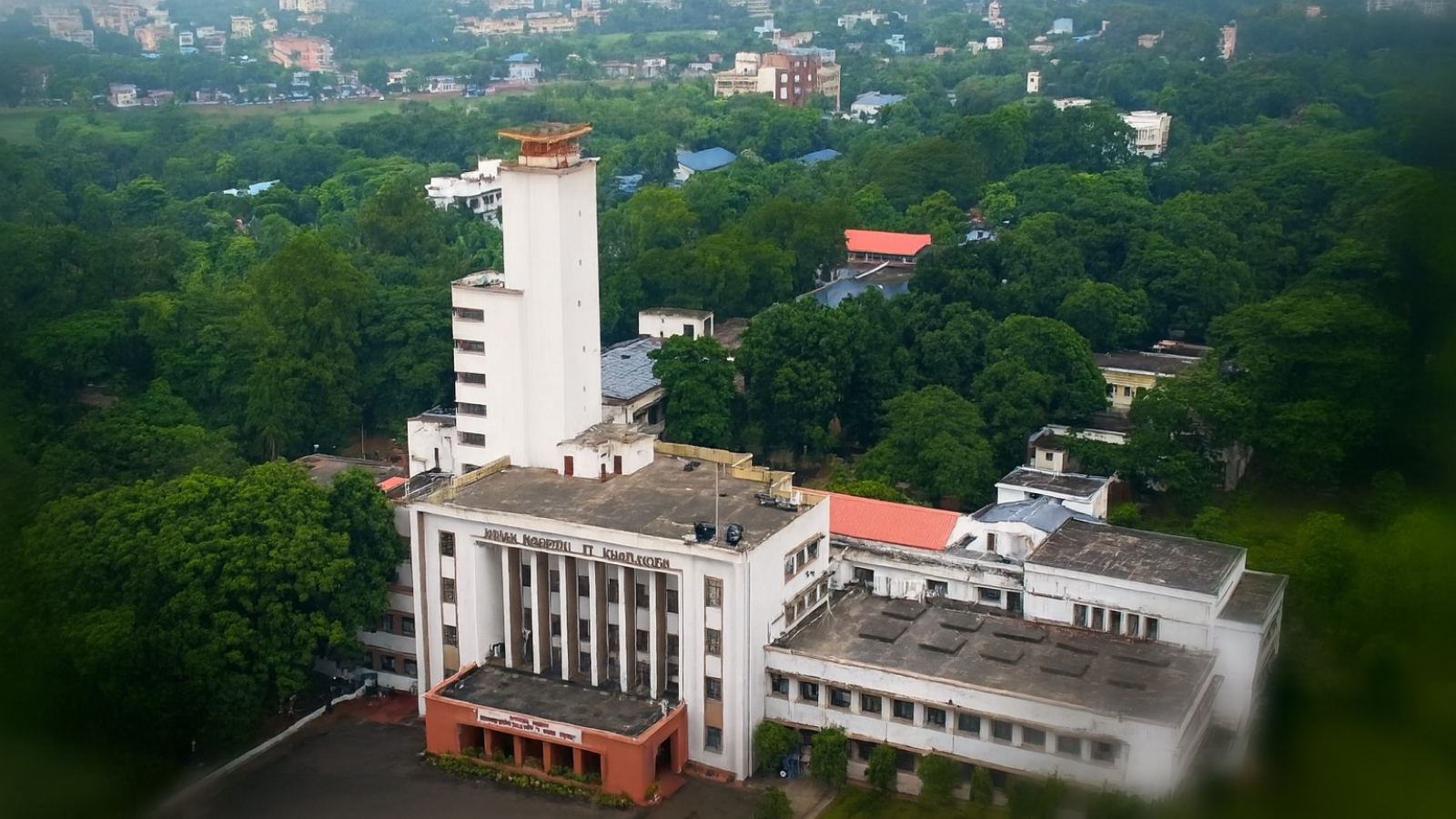
IIT Kharagpur Director V.K. Tewari reflected on the institute’s 75-year journey since August 18, 1951. He said, "The IIT of 2047 must be a university without intellectual walls." He urged IITs to move beyond being just top-tier schools, suggesting they should help lift the entire nation through better research and outreach.

Tap to Read More18 Aug 1:47 PM
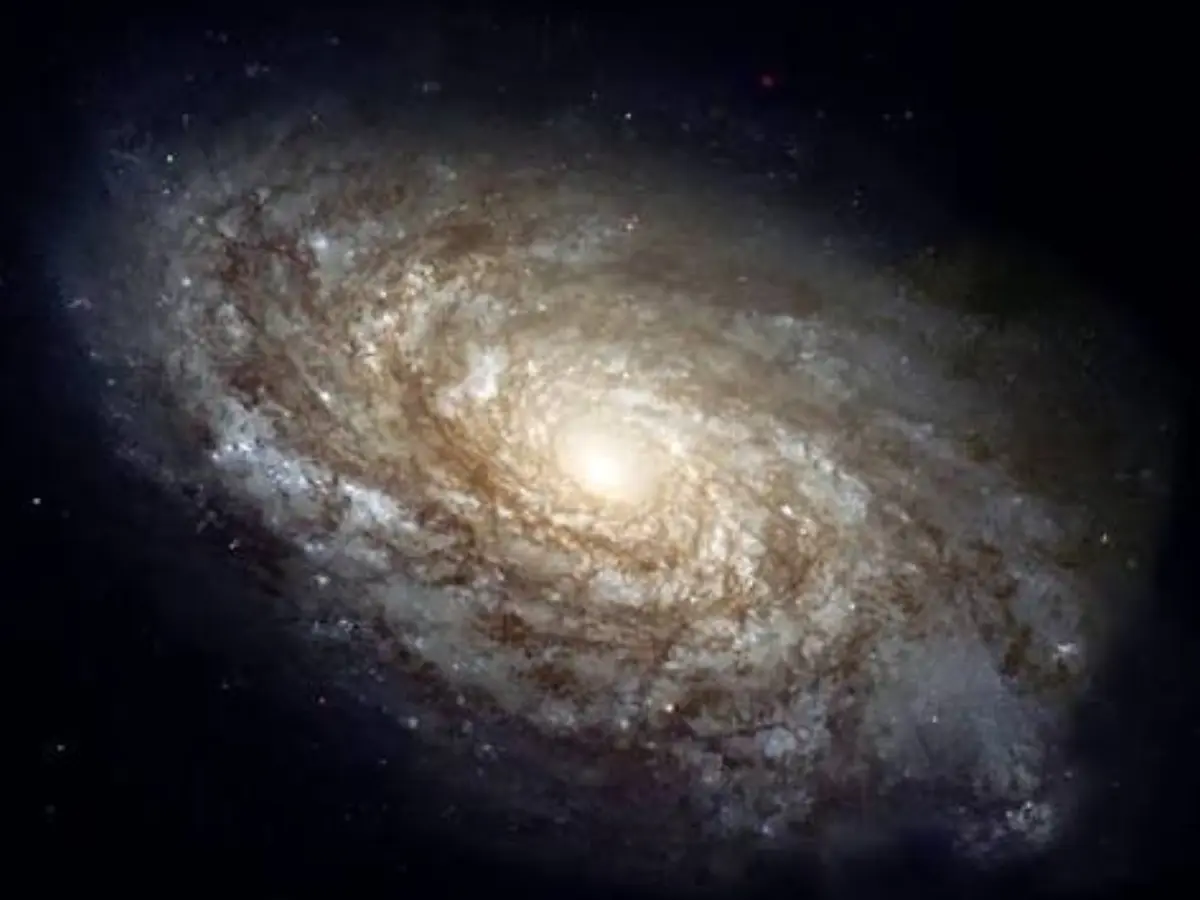
Milky Way ate a galaxy containing stars equal to 500 million suns 12 billion years ago

Milky Way ate a galaxy containing stars equal to 500 million suns 12 billion years ago

WION

The Milky Way ate a galaxy containing stars equal to 500 million suns 12 billion years ago. Scientists used space telescopes to find these foreign star clusters. This event happened two billion years after the Big Bang. It showed that our galaxy grew by cannibalising smaller galaxies instead of growing alone.

Tap to Read More18 Aug 2:47 PM
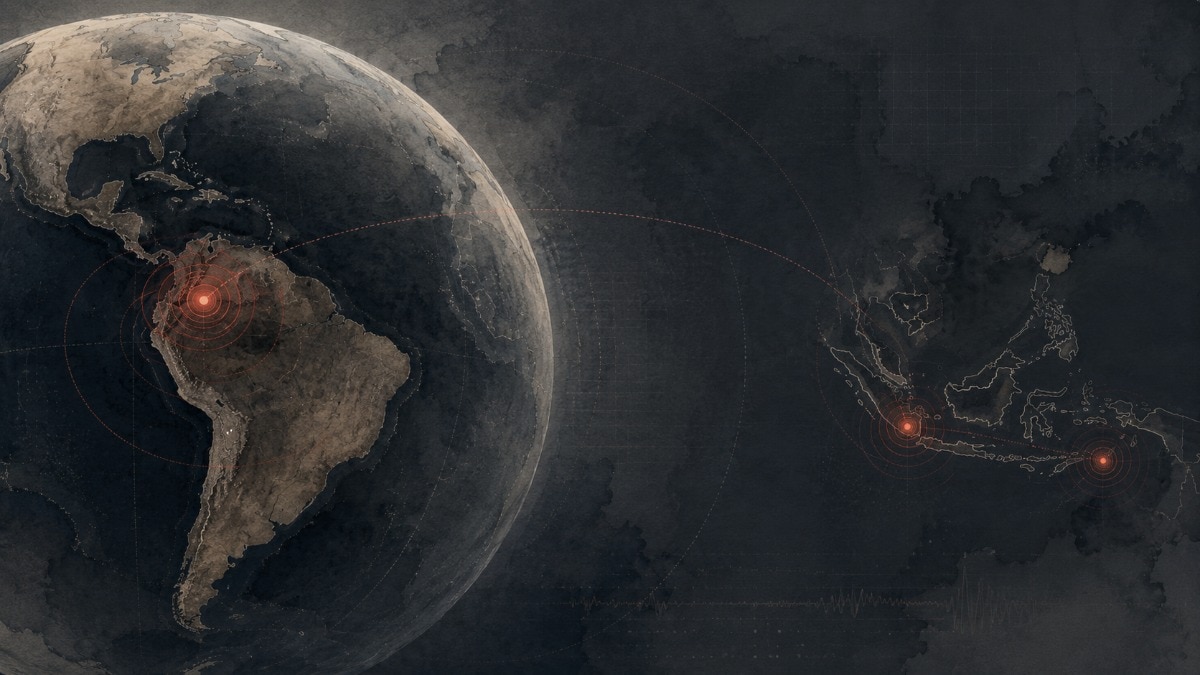
The earthquake on the other side of the world

The earthquake on the other side of the world

India Today

A magnitude 7.4 earthquake hit Colombia on August 10. Four days later, two more struck Indonesia, which sits almost opposite on the globe. Scientists studied if one quake can trigger another across the planet. Harold Tobin said, "It's highly likely that the first event triggered the second," regarding nearby faults.

Tap to Read More18 Aug 3:12 PM
India’s space race just got a 'massive upgrade'—AI and quantum tech are set to redefine our national security.

India’s space race just got a 'massive upgrade'—AI and quantum tech are set to redefine our national security.

The Hindu

ISRO experts concluded the National Space Technology Conclave 2026 in Chandigarh on Tuesday. Dr. Nilesh M Desai said, "Artificial Intelligence and Machine Learning, Quantum Technology and Inter-Satellite Links will play a transformative role in India's upcoming satellite systems." These new technologies will help strengthen national security and improve space-based surveillance capabilities.

Tap to Read More18 Aug 1:00 PM
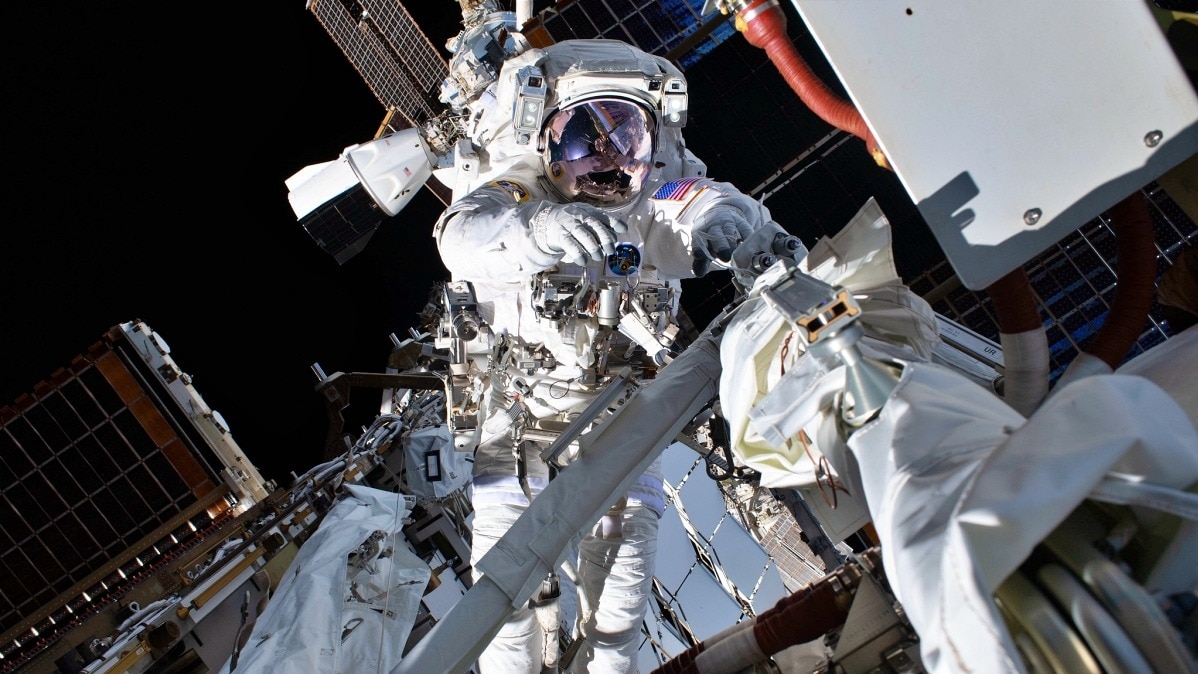
Indian-origin astronaut Anil Menon begins second spacewalk in 10 days

Indian-origin astronaut Anil Menon begins second spacewalk in 10 days

India Today

Indian-origin Nasa astronaut Anil Menon started his second spacewalk to repair the International Space Station. He and ESA astronaut Sophie Adenot are replacing a key communications antenna during a six-and-a-half-hour mission. Menon got on the robotic arm to reach the station's structure, ensuring better data connectivity for the crew.

Tap to Read More18 Aug 11:13 AM
Webb captures clearest image yet of the Lion Nebula

Webb captures clearest image yet of the Lion Nebula

Physics org

The James Webb Space Telescope captured the clearest image yet of the Lion Nebula, also known as NGC 2392. By using infrared instruments, Webb showed the complex structure of the nebula and its central white dwarf. This star shed its outer layers, creating the gas and dust shells seen today.

Tap to Read More18 Aug 1:40 PM
Unusual superconductivity could emerge in valley-imbalanced rhombohedral graphene

Unusual superconductivity could emerge in valley-imbalanced rhombohedral graphene

Physics org

Researchers at Harvard University and the University of Stuttgart found that valley-imbalanced rhombohedral tetralayer graphene could host unconventional superconducting states. Their paper in Physical Review Letters suggests this material forms a superlattice of Cooper pairs. Mathias Scheurer said, "Our work was inspired by an experiment that showed that superconductivity can emerge."

Tap to Read More18 Aug 1:40 PM
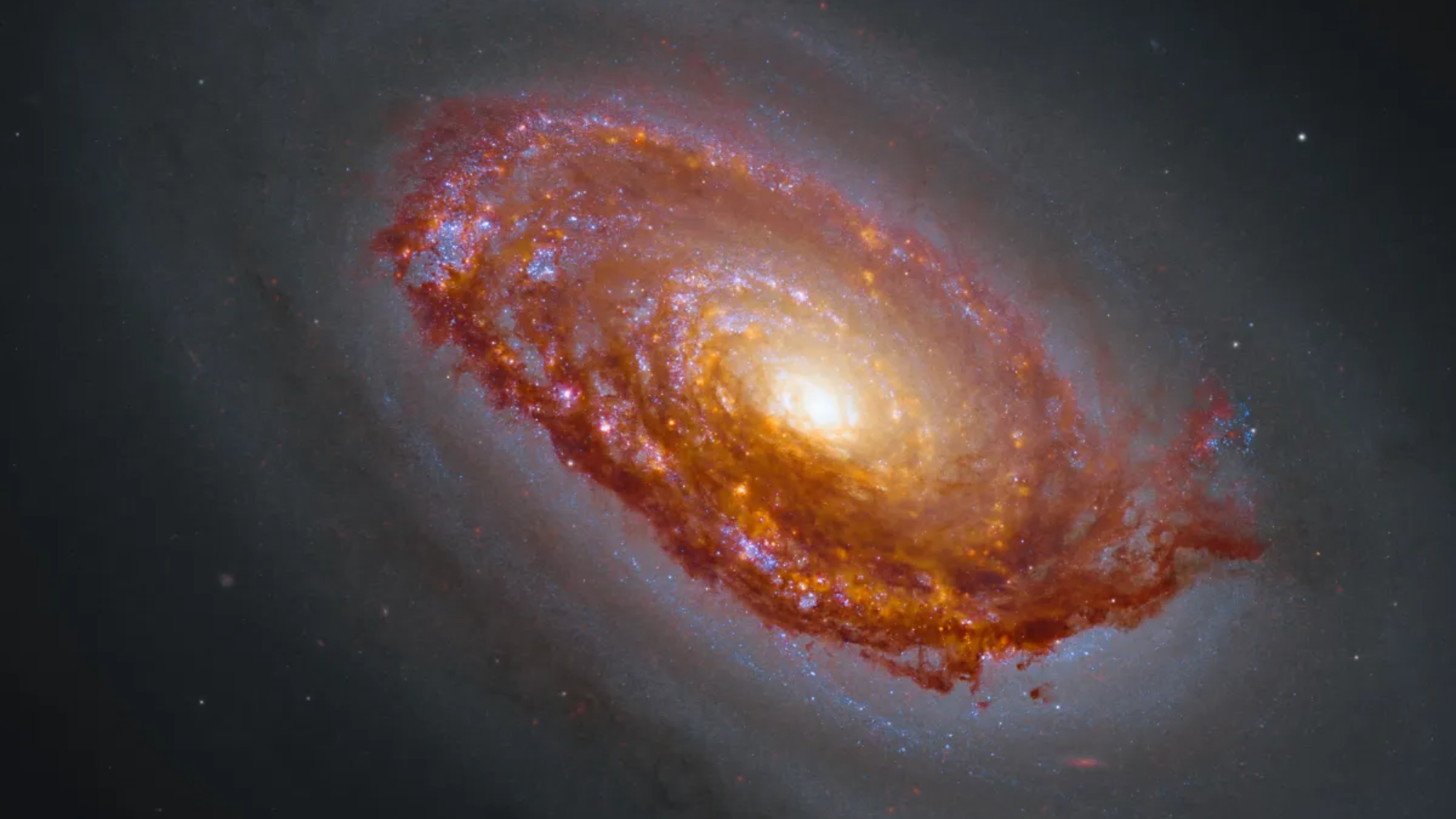
Hubble, James Webb team up to capture the 'Black Eye Galaxy' photo of the day for Aug. 18, 2026

Hubble, James Webb team up to capture the 'Black Eye Galaxy' photo of the day for Aug. 18, 2026

Space

Hubble and the James Webb Space Telescope combined data to capture the Black Eye Galaxy for the August 18, 2026 photo of the day. This spiral galaxy sits 17 million light-years away. Its gas rotates in opposite directions, creating a unique look. These powerful telescopes showed how they complement each other.

Tap to Read More18 Aug 2:00 PM
On this day in space! Aug. 18, 1868: Total solar eclipse leads to discovery of helium

On this day in space! Aug. 18, 1868: Total solar eclipse leads to discovery of helium

Space

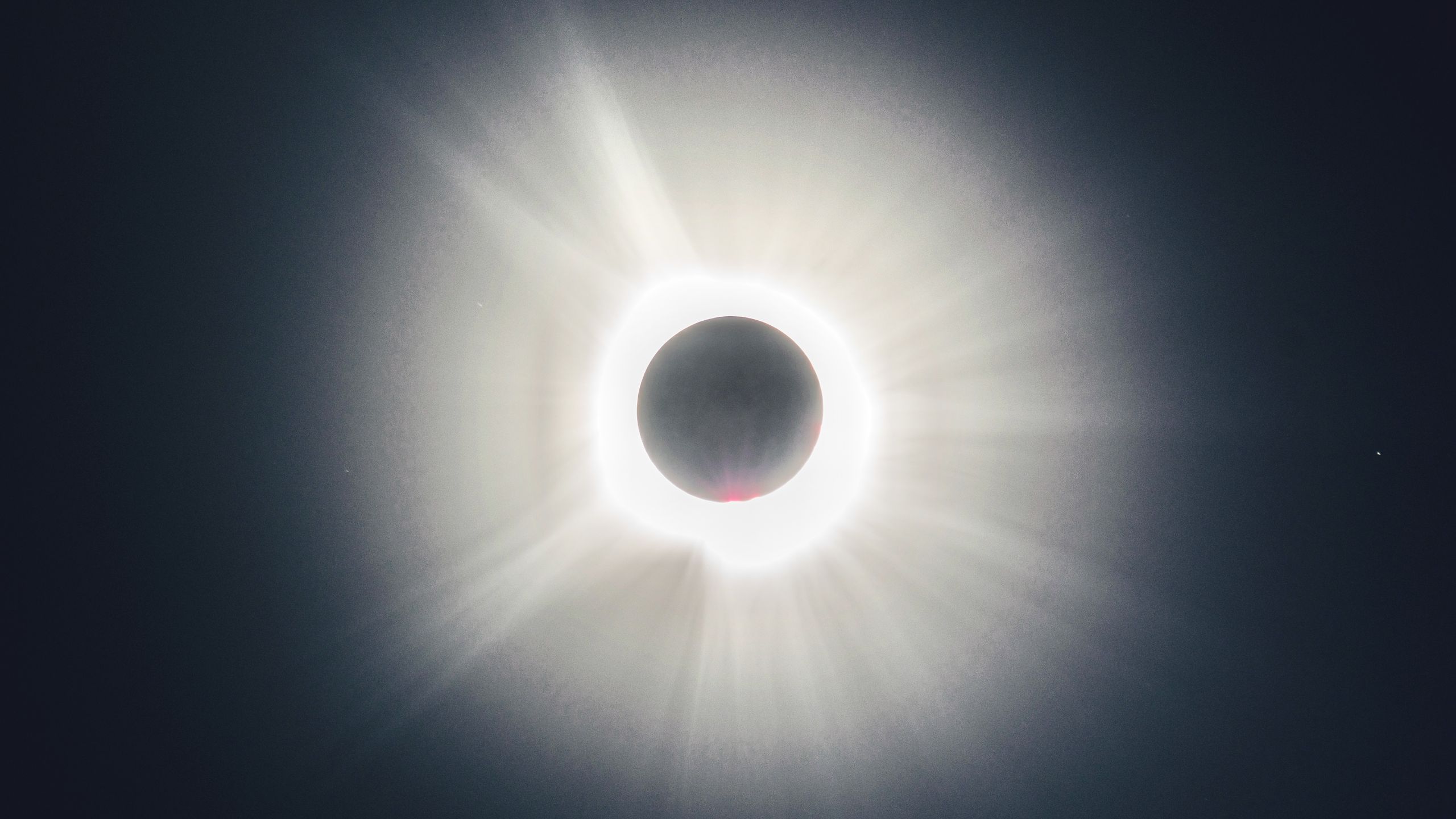
On Aug. 18, 1868, French astronomer Pierre Jules César Janssen discovered helium while observing a total solar eclipse in India. He used a spectroscope to see a bright yellow line from the sun. Later, Norman Lockyer named the element after the Greek sun god. It remains vital for modern spaceflight today.

Tap to Read More18 Aug 2:00 PM
How body size and habitat shape the vocal repertoires of primates

How body size and habitat shape the vocal repertoires of primates

Physics org

Adriano R. Lameira analyzed vocal repertoires of 77 primate species to understand how they evolved. His paper, published in Biology Letters, showed that body size and habitat shaped these communication strategies. He said, "My objective was to reassess the role of sociality with a much larger, newer dataset," challenging old theories.

Tap to Read More18 Aug 10:20 AM
Page 1 of 6NextTop End

Site Navigation

Terms & ConditionsPrivacy & PolicyRefund PolicyLLMs

Get in Touch

About UsContact UsBlogVideos

TheReader.AI

Summarization is not about shortening text; it’s about amplifying meaning.

Best News App Indiavs InshortsExplore Our Philosophy →
TheReader.AI LogoLets Talk!

Copyright © 2026 TheReader.AI, Your intelligent news reading partner | Powered by CandoMinds