
Short news for quality minds. Power your niche.Smartly curated short news for quality minds. Want your own niche feed? Integrate with us today.

TheReader.AI
Home
News
Integrate
Pricing
About Us
Profile
My FeedNationPoliticsBusinessMarketWorldSportsTechnologyEnvironmentScienceEntertainment
Why do we yawn when someone else yawns? Even reading about it could make you yawn

Why do we yawn when someone else yawns? Even reading about it could make you yawn

India Today

Contagious yawning happens when we see or hear others yawn, often triggering an urge to do the same. Researchers said, "This system helps us copy and understand the actions of others." This complex response involves mirror neurons and social bonds, showing how humans and animals stay connected through shared behavior.
Tap to Read More17 Aug 6:42 AM
Forget meat: Scientists say fruit and honey helped build the human brain

Forget meat: Scientists say fruit and honey helped build the human brain

India Today

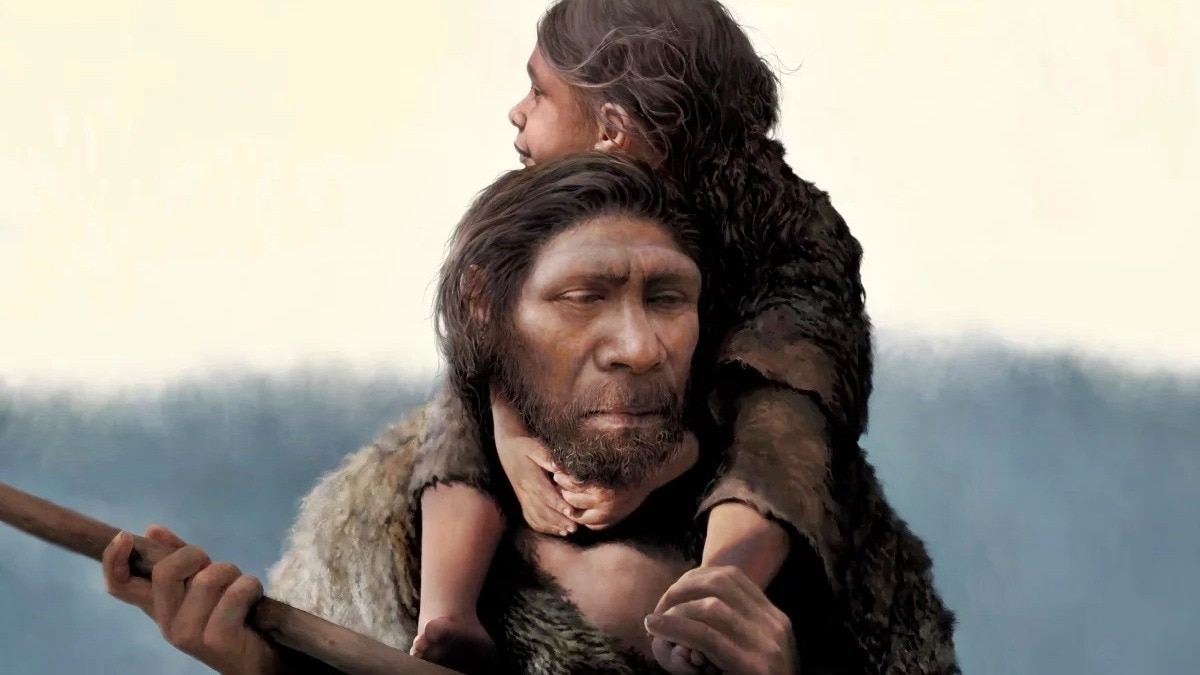
A new study published in the journal Science suggests fruit and honey helped build the human brain. Researchers said carbohydrates provided the energy needed for growth over four million years. "Our modern physiology and anatomy suggest genetic selection driven specifically by dietary carbohydrates," the team noted, challenging the meat-heavy evolution theory.

Tap to Read More17 Aug 7:43 AM
Monsoon not over yet: Satellite spots fresh rain build-up in Bay of Bengal

Monsoon not over yet: Satellite spots fresh rain build-up in Bay of Bengal

India Today

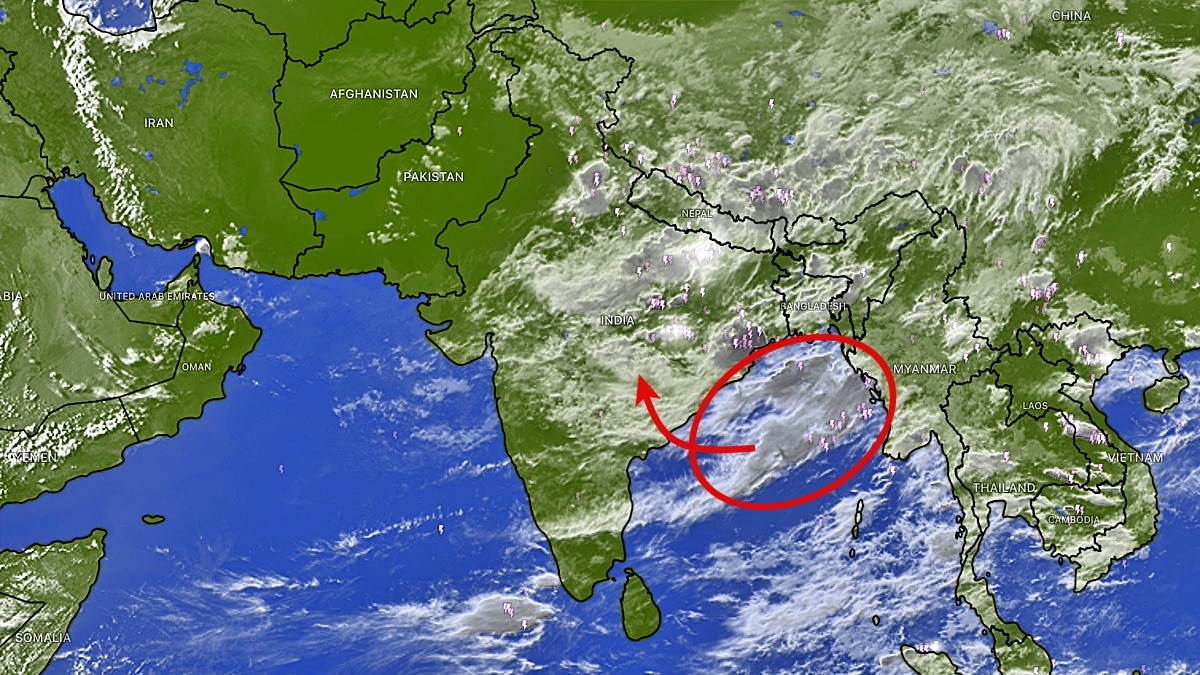
Satellite imagery shows a fresh rain build-up over the Bay of Bengal, proving the monsoon is not over. The IMD said, "The low-pressure area is very likely to concentrate into a Depression on August 17." This system will bring widespread rain to eastern, central, and northern India next week.

Tap to Read More17 Aug 2:00 AM
Japan aims for the moons of Mars

Japan aims for the moons of Mars

phys.org

Japanese scientists are readying the Martian Moons eXploration mission to retrieve samples from Phobos. Set to blast off from Tanegashima Space Center, the craft will spend three years in orbit. JAXA said the mission will reveal "how a habitable environment for life might have arisen on the terrestrial planets."

Tap to Read More16 Aug 7:05 PM
Radio telescopes help scientists map molecules in space and uncover where and how stars form

Radio telescopes help scientists map molecules in space and uncover where and how stars form

Physics org

Radio telescopes help scientists map molecules in space to uncover how stars form. Researchers study molecular clouds, which act as cosmic nurseries for infant stars. These regions reach temperatures between -279°F and -100°F. By mapping these areas, scientists learn how simple ingredients come together to form building blocks of life.

Tap to Read More16 Aug 10:40 PM
Scientists map the microscopic roots of chaos in dusty plasma using supercomputer simulations

Scientists map the microscopic roots of chaos in dusty plasma using supercomputer simulations

Research Matters

Researchers from IIT Jammu and IIT Kanpur used supercomputer simulations to map chaos in dusty plasma. By tracking millions of particles, they showed how dust grains create swirling patterns and turn motion into heat. This study reveals how these particles act like elastic rubber, helping us understand complex fluid turbulence.

Tap to Read More17 Aug 12:30 AM
Giant crocodylians dominated the food chain in Miocene South America, fossil evidence suggests

Giant crocodylians dominated the food chain in Miocene South America, fossil evidence suggests

Physics org

Giant crocodylians dominated the food chain in Miocene South America, fossil evidence suggests. More than 10 million years ago, these massive predators hunted large prey near vast lakes. Researcher Oscar Wilson said, "Our new study shows that crocodylians in particular were the region's most important predators, especially when hunting large prey."

Tap to Read More17 Aug 1:00 AM
Tiny graphene wrinkles create surprisingly powerful electrical effects

Tiny graphene wrinkles create surprisingly powerful electrical effects

ScienceDaily

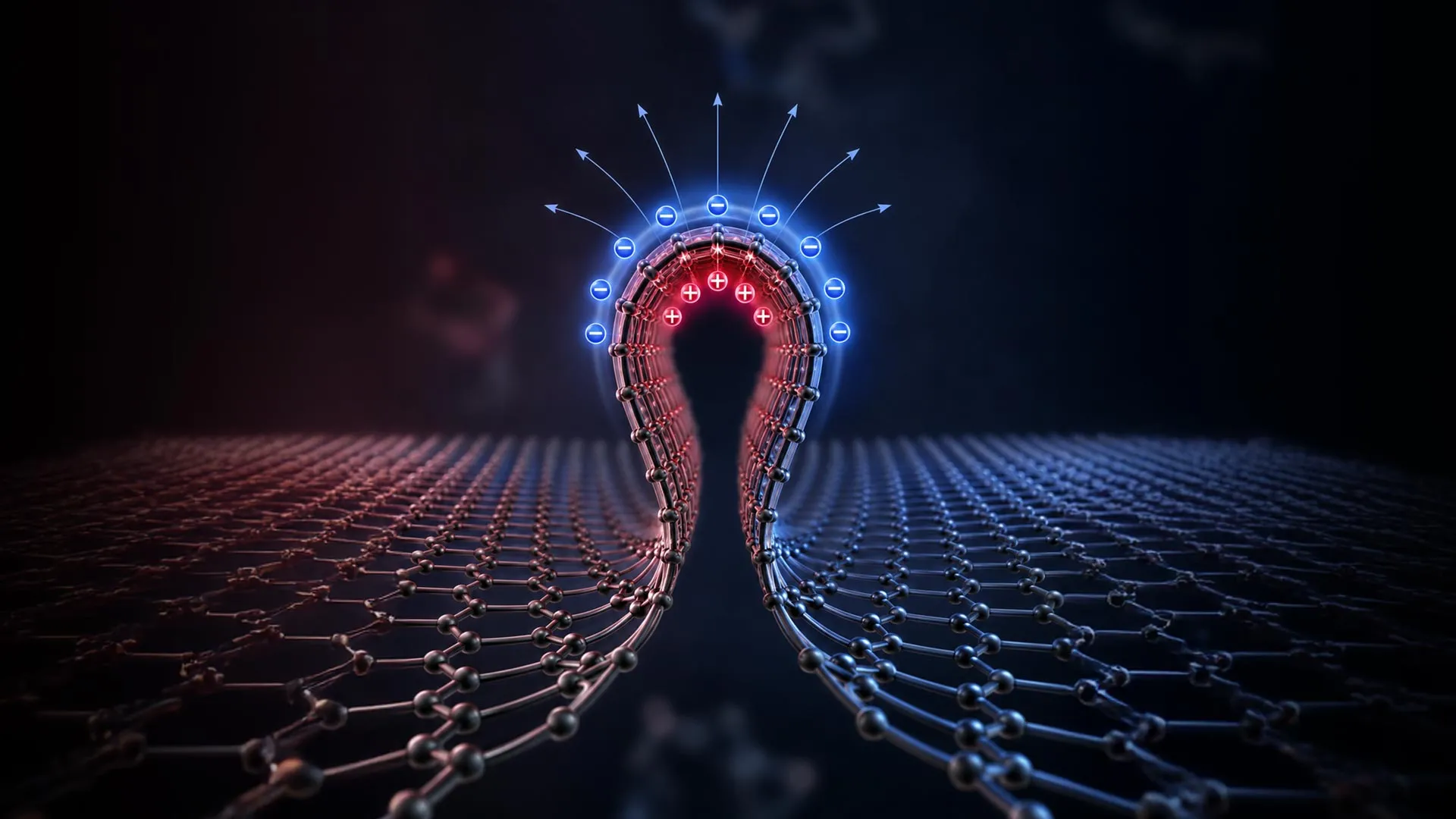
Scientists found that tiny wrinkles in graphene create powerful electrical effects. By changing the shape of this thin material, researchers can control its properties without adding chemicals. "Our work shows that even an ordinary wrinkle can become an extraordinary electronic feature," said Pulickel Ajayan, who led the new study.

Tap to Read More17 Aug 2:29 AM
First industry-built PSLV launch slips to March 2027

First industry-built PSLV launch slips to March 2027

Economic Times

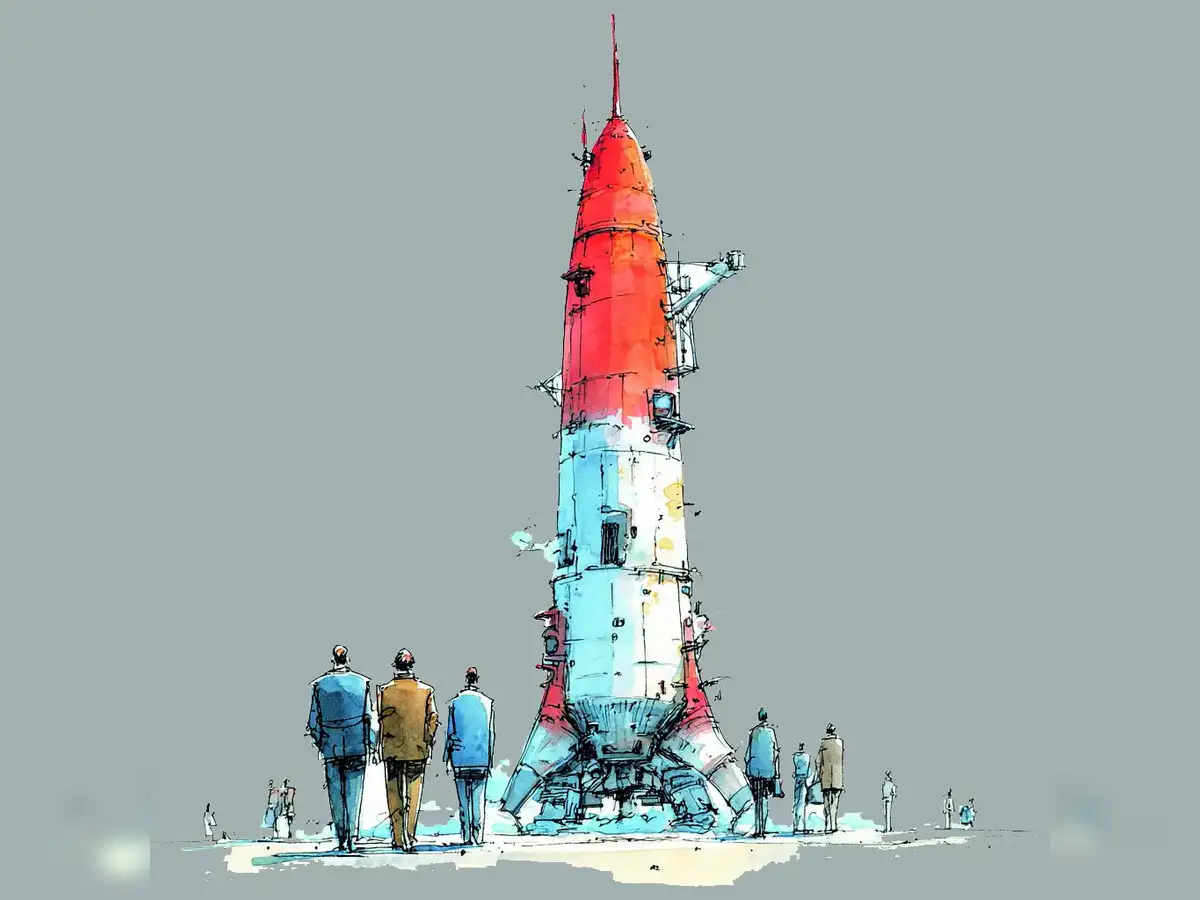
India’s first industry-built PSLV launch now faces a delay until March 2027. The HAL-L&T consortium got this Rs 860-crore contract from NewSpace India Ltd in 2022. Many schedule changes pushed the mission back. This project shows how private firms play a bigger role in India’s growing space sector and future missions.

Tap to Read More17 Aug 12:49 AM
Astronaut Shubhanshu Shukla’s advice to kids: You must 'obsess' over your dream if you want it to come true.

Astronaut Shubhanshu Shukla’s advice to kids: You must 'obsess' over your dream if you want it to come true.

Indian Express

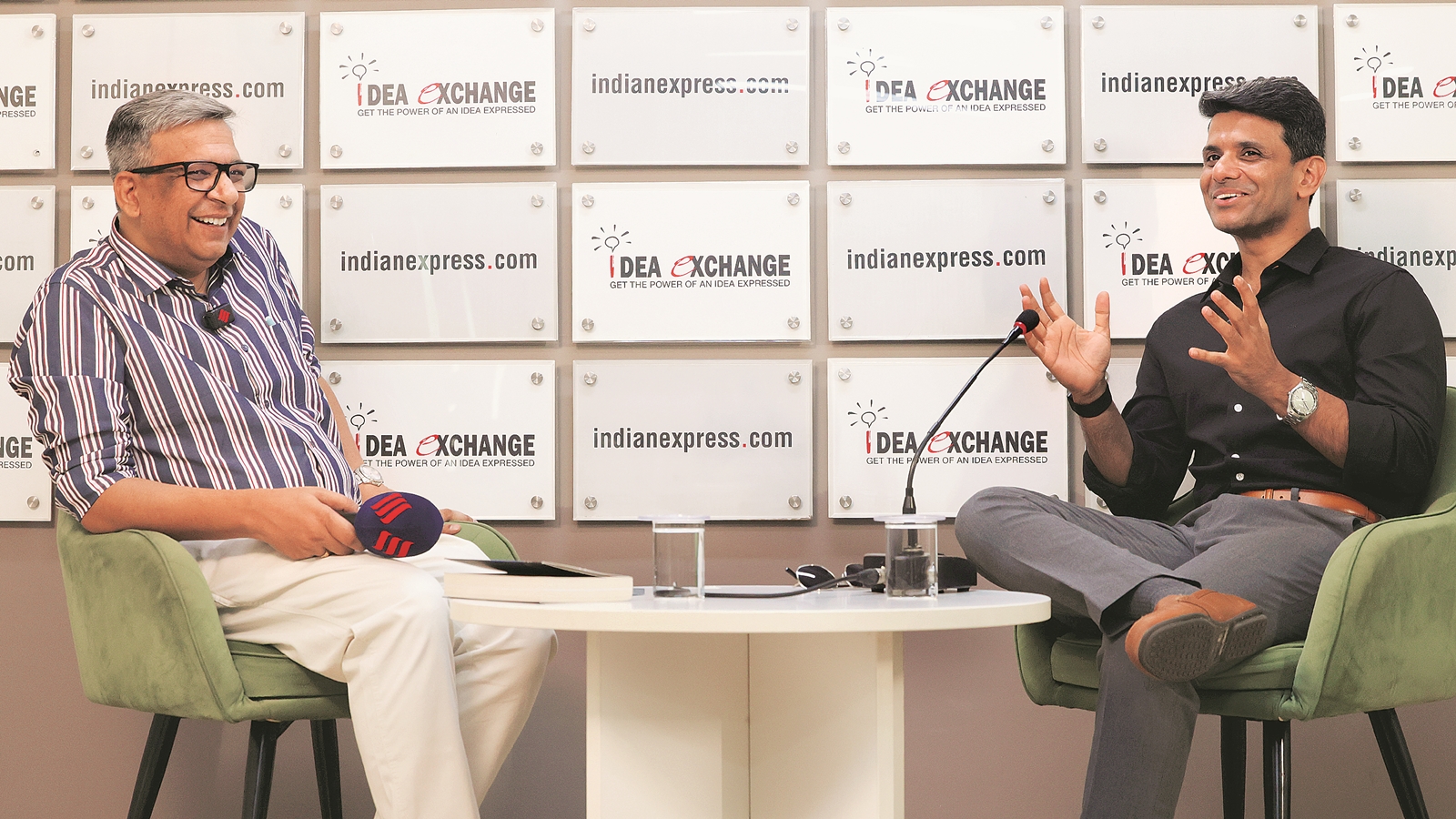
Group Captain Shubhanshu Shukla discussed his space training and new book, The Second Orbit, at an Idea Exchange session. He said, "Today's kids are brilliant... you have to be with a dream for a long time, work on it, only then will it happen." He shared his unique experiences.

Tap to Read More17 Aug 1:45 AM
A cool way to make compact and affordable MRI scans

A cool way to make compact and affordable MRI scans

Business Line

Bengaluru-based Voxelgrids Innovations launched a compact MRI scanner that costs 40 per cent less to build. The machine weighs 2.3 tonnes and uses a dry magnet approach, removing the need for liquid helium. Arjun Arunachalam said, "From proof of concept to a product is a long journey." Operations restarted in 2021.

Tap to Read More17 Aug 1:29 AM
Suitcase-sized spacecraft may reveal what happened before first stars formed

Suitcase-sized spacecraft may reveal what happened before first stars formed

Indian Express

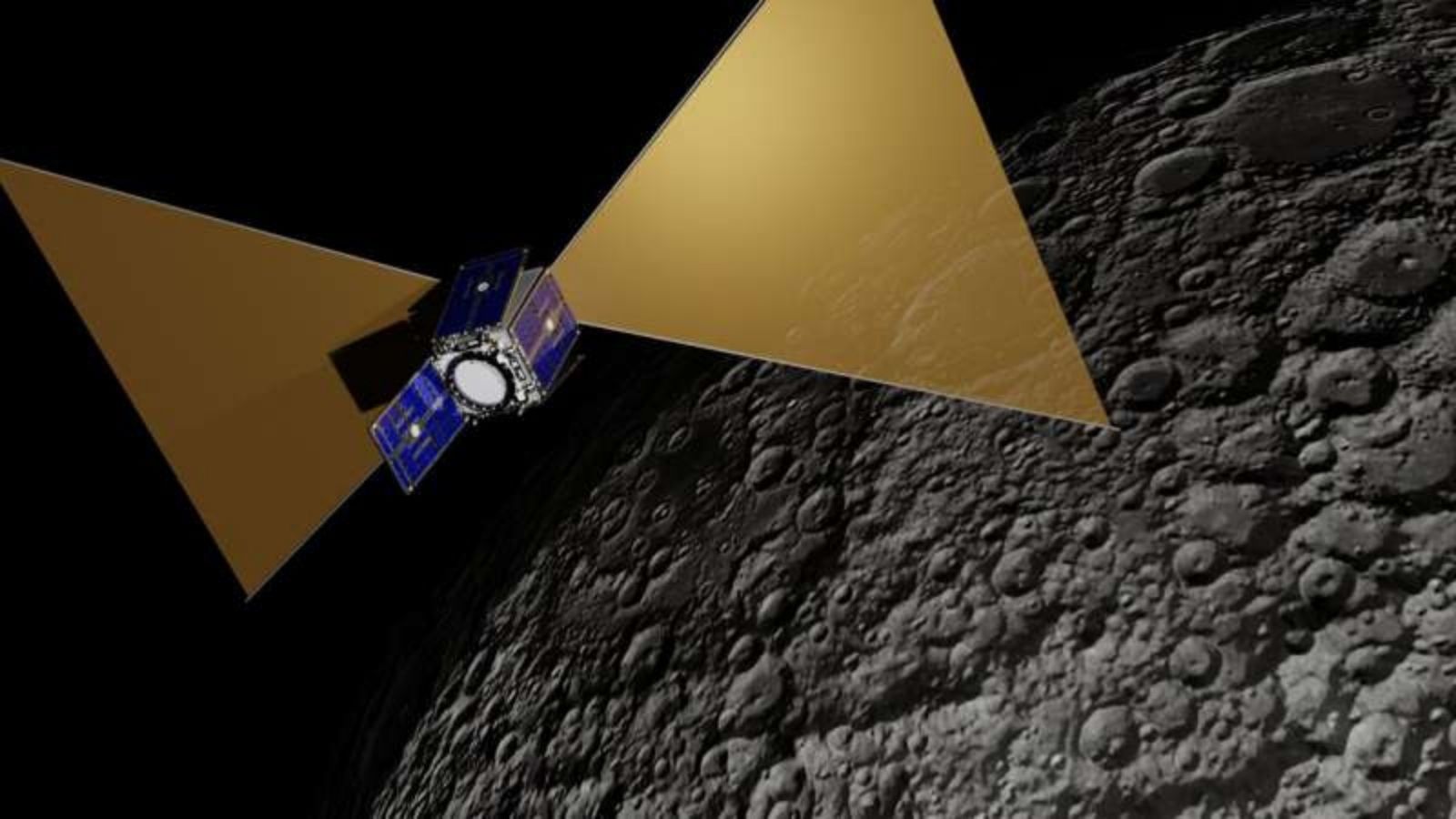
A suitcase-sized satellite called CosmoCube may reveal what happened before the first stars formed. By orbiting the Moon, the craft will use the lunar far side to block radio noise from Earth. Researchers said the mission could help scientists study the cosmic dark age and how early structures emerged.

Tap to Read More17 Aug 1:47 AM
Top FirstPreviousPage 5 of 6NextTop End

Site Navigation

Terms & ConditionsPrivacy & PolicyRefund PolicyLLMs

Get in Touch

About UsContact UsBlogVideos

TheReader.AI

Summarization is not about shortening text; it’s about amplifying meaning.

Best News App Indiavs InshortsExplore Our Philosophy →
TheReader.AI LogoLets Talk!

Copyright © 2026 TheReader.AI, Your intelligent news reading partner | Powered by CandoMinds